
Te Matapihi ki te Ao Nui

a playful
space of discovery
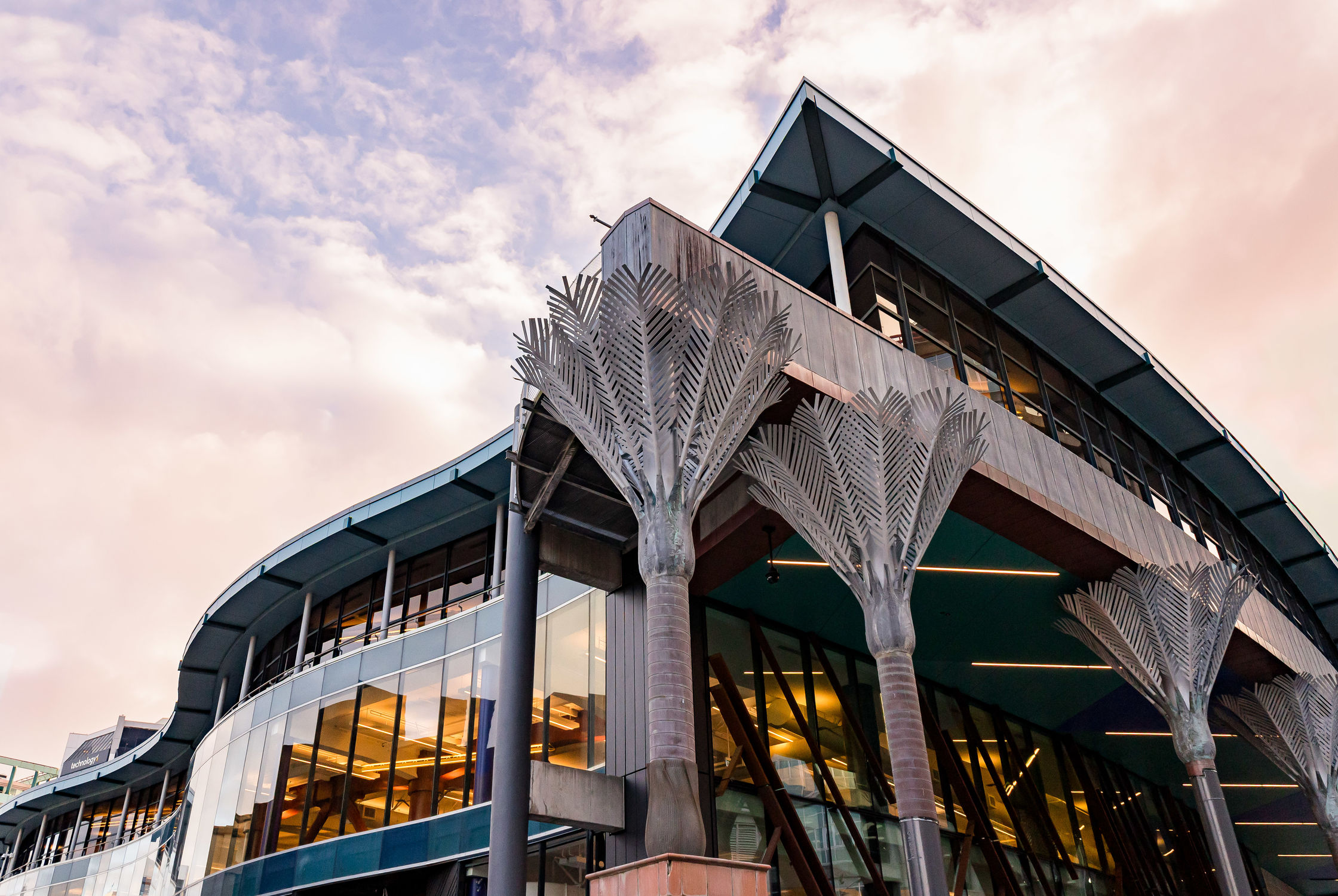
Te Matapihi ki te Ao Nui – the central library and much-loved Wellington icon has been an urban marker, a community treasure, and an expression of the best of Aotearoa's public architecture since it was designed by Athfield Architects and opened in 1991. Closed in 2019 for seismic strengthening, we have enjoyed revisiting this much-loved facility in the current physical and social context and the challenge of defining how it could work evenbetter.
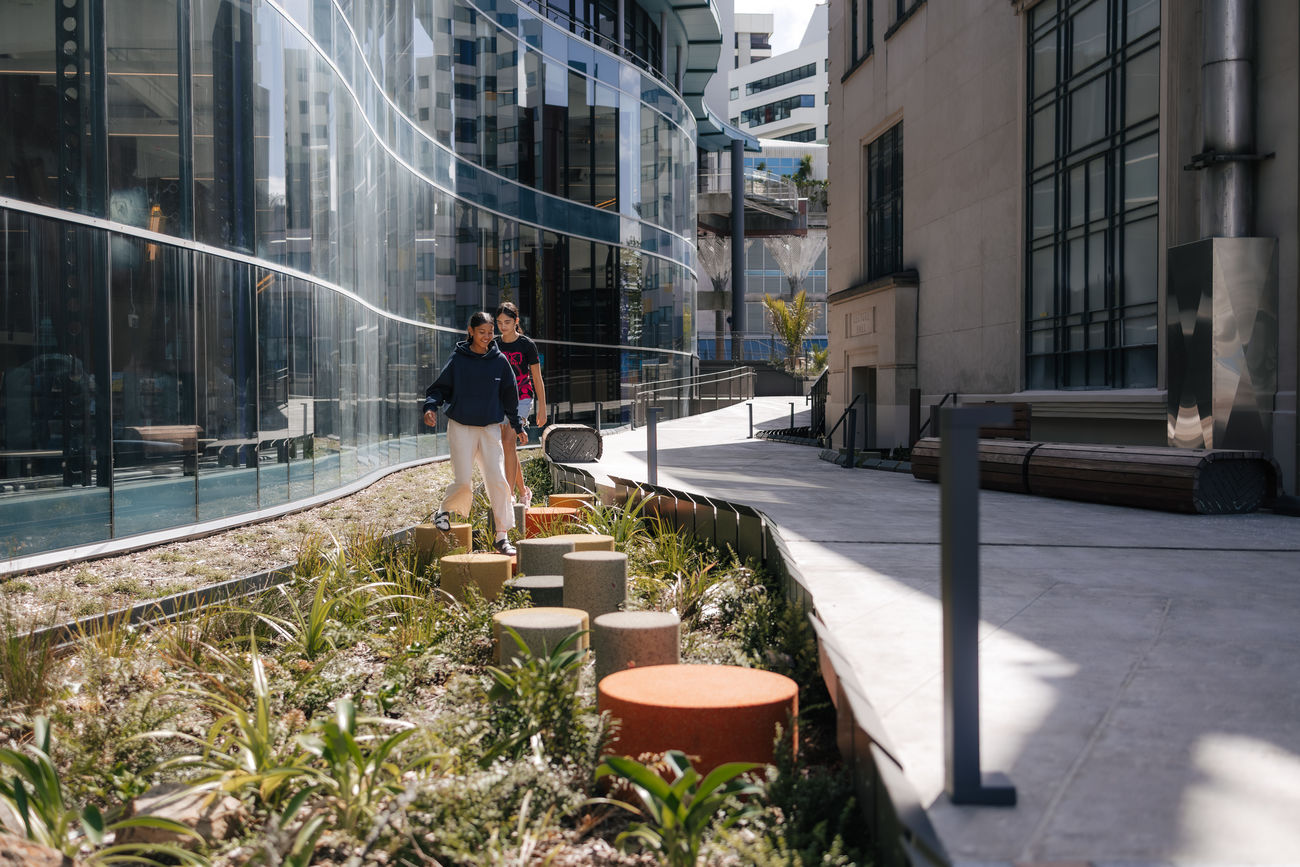
The renewed facility reopened in 2026 and was informed by a thorough, research-based understanding of the edges, framed spaces, access points and pathways that would enhance an already great plan, energise the surrounding urban fabric and support a celebrated and vital civic centre - Te Ngakau CivicSquare.
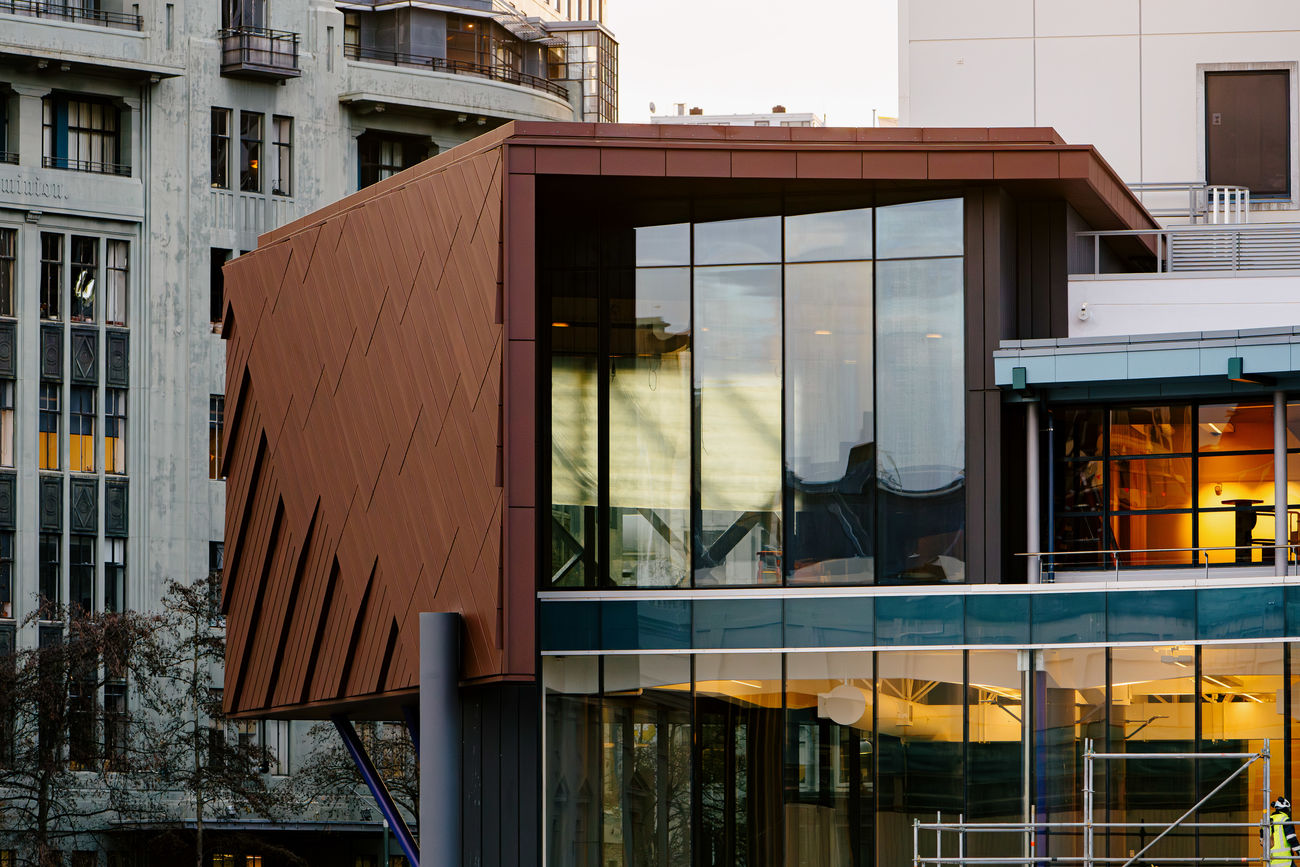
The result combines new ideas with the strong expression of the original design. Two entries became four; an internal street is extended to connect internal and external spaces; while new transparency and adjacent landscapes activate thesurrounds.

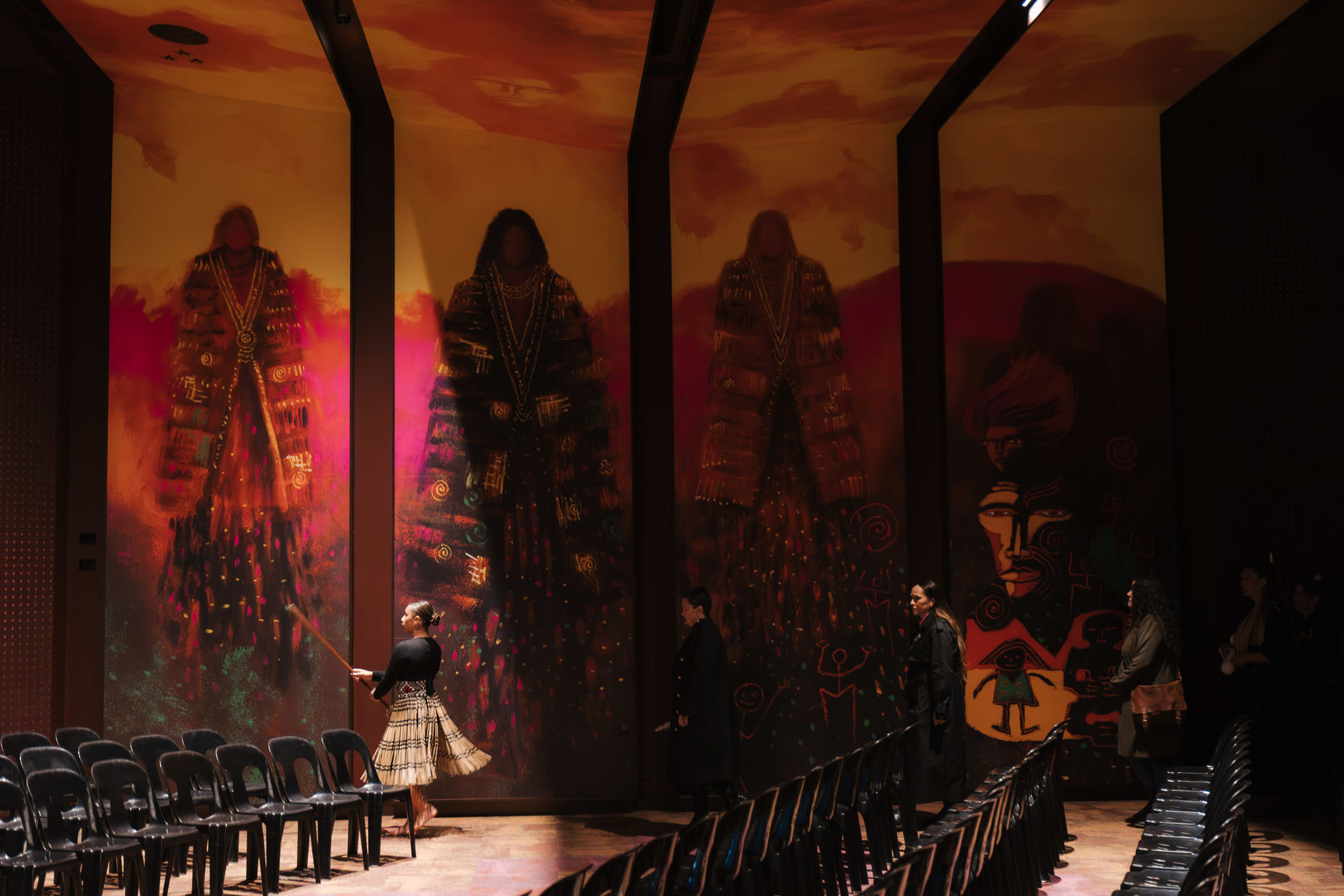
In close partnership with Tihei, design representatives for mana whenua, we revisited and refined fundamental principles. We were challenged to deepen and extend the significance of this place for manawhenua.
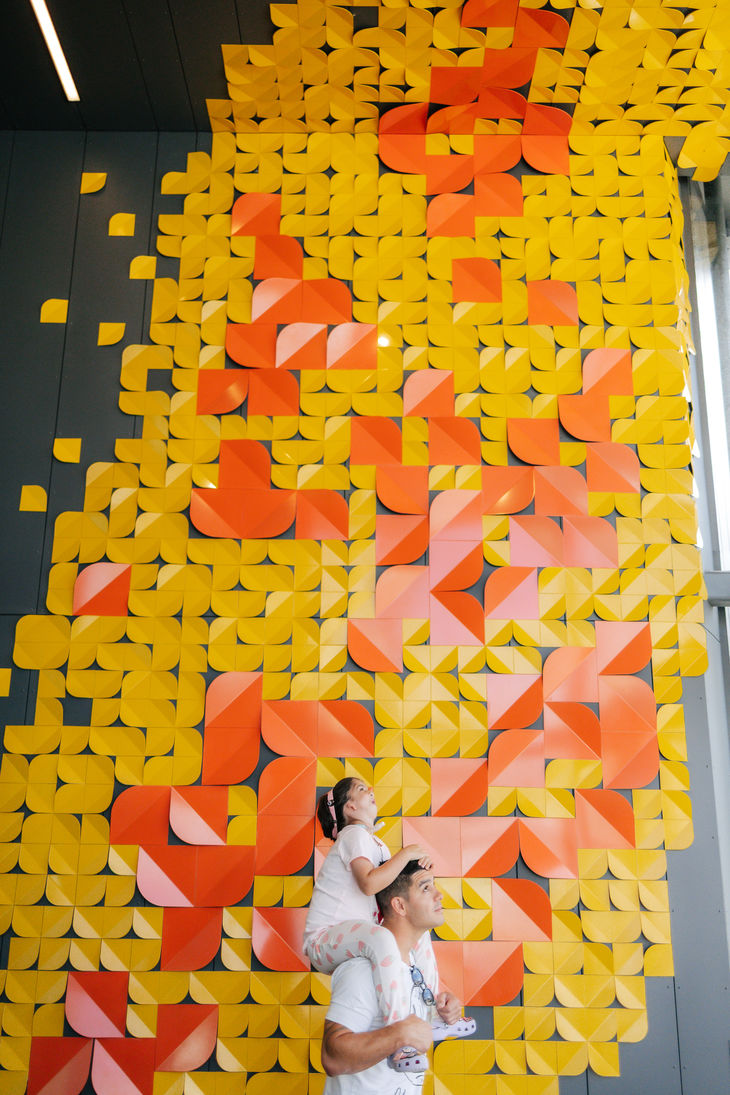
The role and expression of edges and entries were carefully developed. Colour and texture were explored to reflect the nature of the place, and details were recrafted to honour native forms, including through the reworking of the bases of the iconic ‘Nikau Palm’ columns.
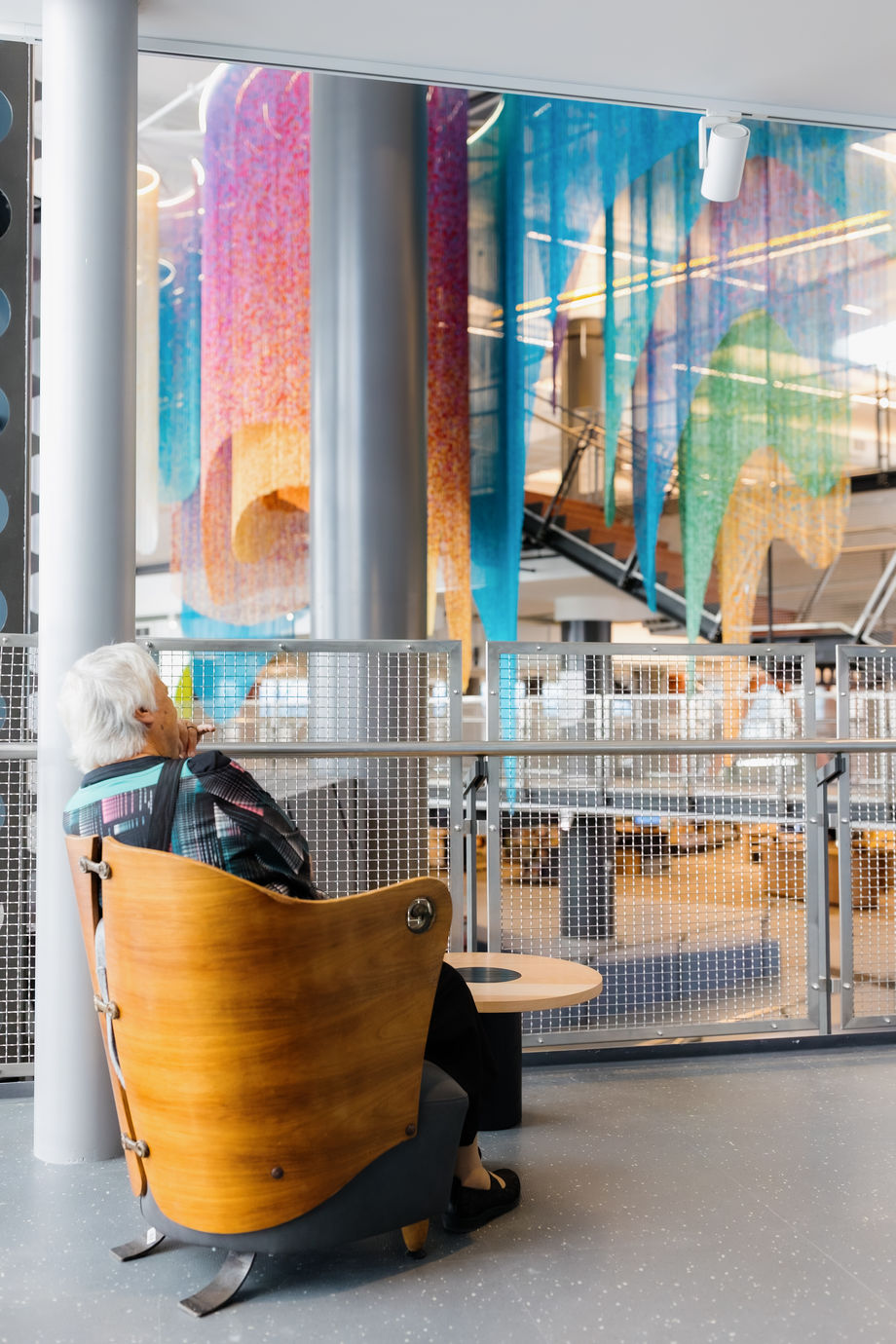
Key moments in the plan are celebrated through Rawa (works). In collaboration with Tihei, these were placed and framed to create powerful, meaningful experiences within and around thebuilding.
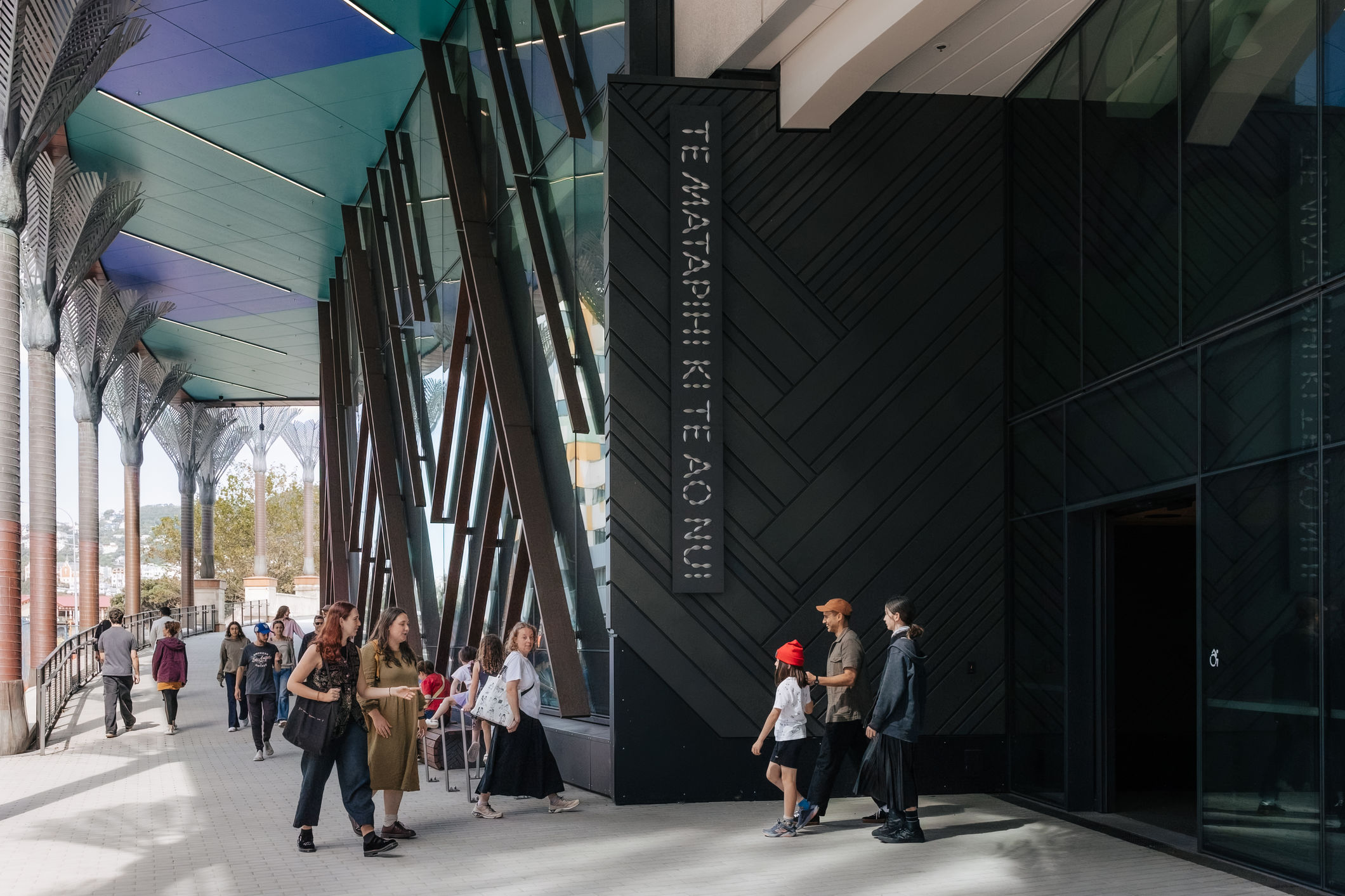
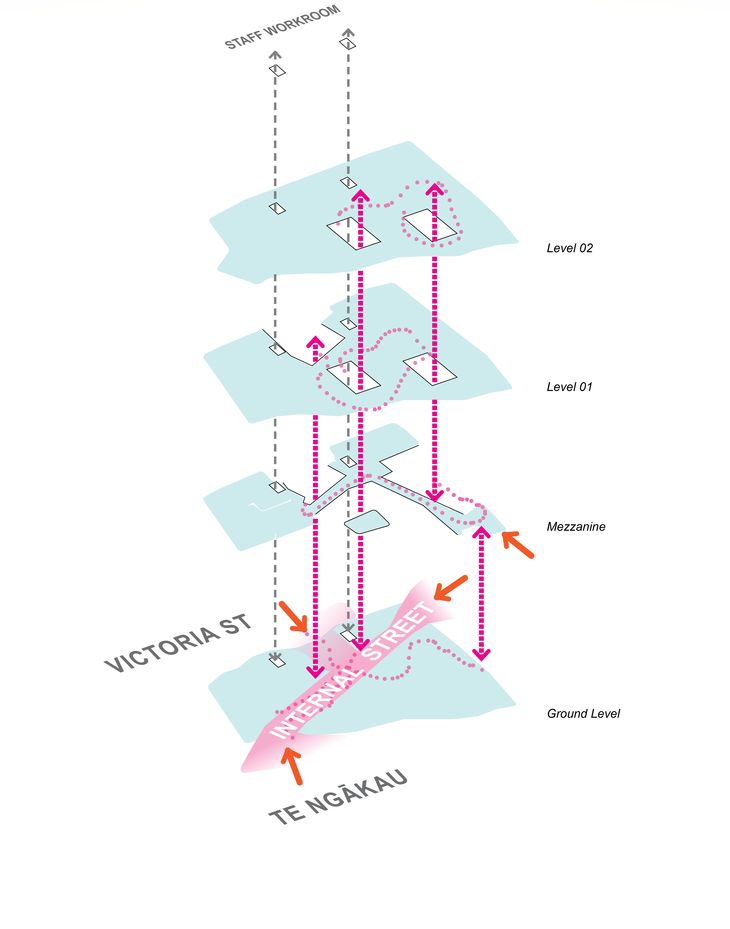
This familiar building has welcomed new contributions to ensure it is a future-focused library. The entrance thresholds are softened and extended; circulation has evolved to increase opportunities for discovery. Both new and old activities, community spaces, and valuable collections and artefacts are encountered and arranged to inviteexploration.
A base-isolation structural strengthening strategy that minimised the loss of original fabric is given a proud expression and woven into the building’s original structuralhonesty.
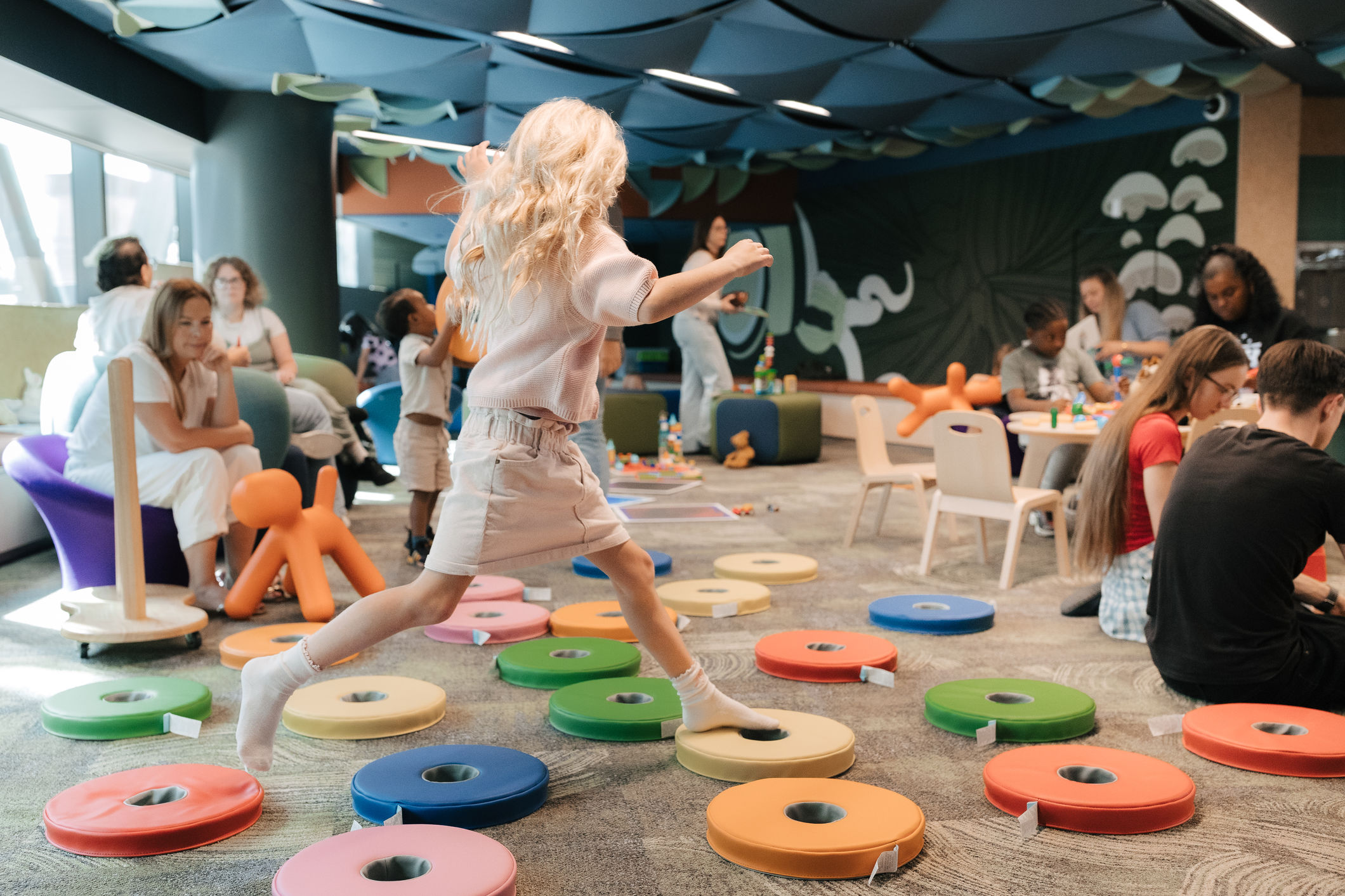
The voices of ancestors are recorded and paired with youthful optimism in the design response. This presents the contents of the library in an intuitive, light-filled, and playful space of discovery, redefined as an expansive and interconnected learninglandscape.

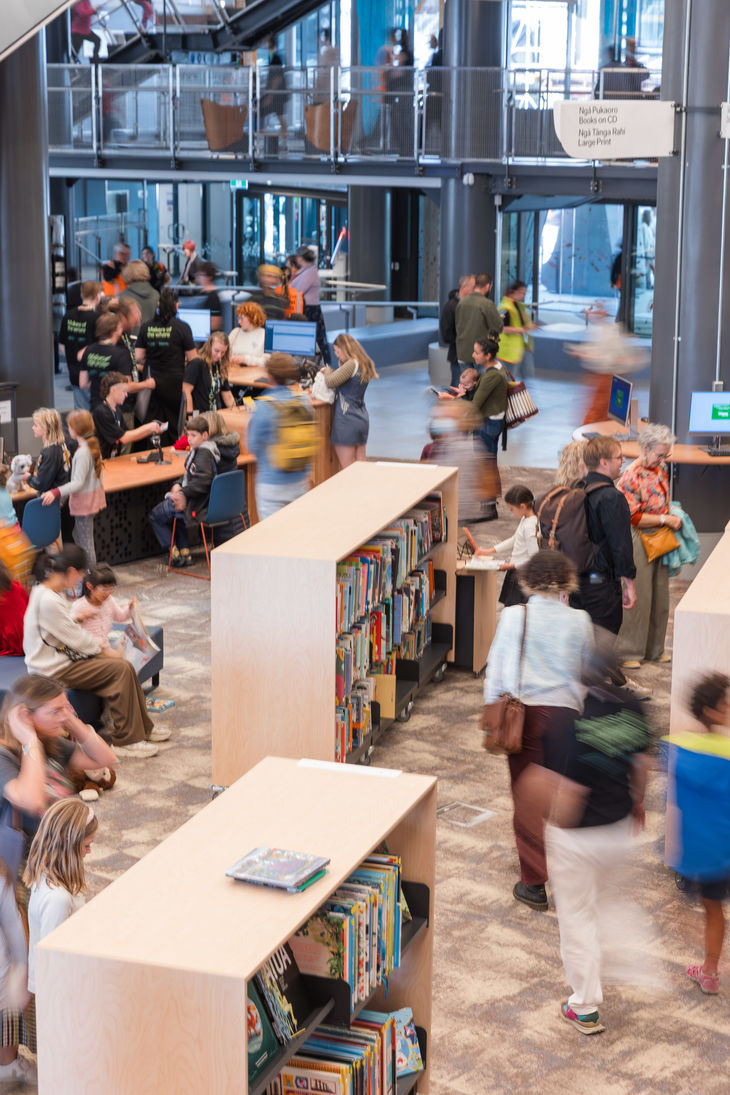
“Wellingtonians return to Te Matapihi (and) experience both a rush of familiarity and the awe and pleasure ofimprovement”
Clare Maybey,Spinoff
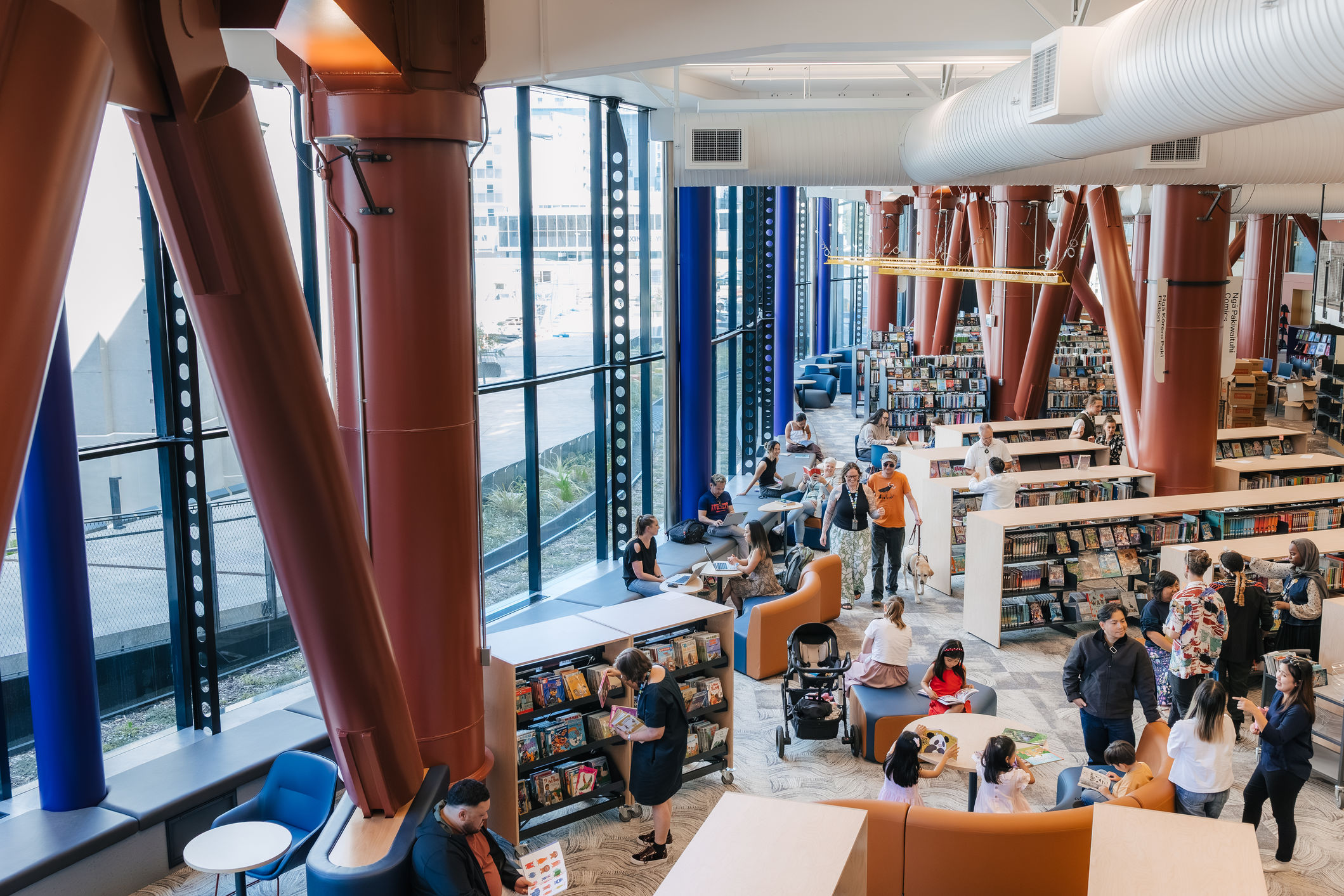
“The reopening of Te Matapihi ki te Ao Nui Central Library represents a turning point for Pōneke, and the wider region, spearheading the city-wide revitalisation efforts which will attract people to the area, and boost the local economy…The future is brighter forWellington.”
Mayor Andrew Little, Wellington CityCouncil
Awards
-
2026
New Zealand Commercial Project Awards: Civic – Gold Award -
2026
New Zealand Commercial Project Awards: Civic – National Category Winner -
2026
New Zealand Commercial Project Awards: Supreme Award -
2026
New Zealand Commercial Project Awards: Value Award – Over $25 million -
2026
PCNZ Property Industry Award: Civic, Health and Arts Property – Excellence -
2026
PCNZ Property Industry Award: Heritage and Adaptive Reuse Property – Excellence -
2026
Te Kāhui Whaihanga NZ Institute of Architects Wellington Architecture Award: Heritage -
2026
Te Kāhui Whaihanga NZ Institute of Architects Wellington Architecture Award: Interior Architecture -
2026
Te Kāhui Whaihanga NZ Institute of Architects Wellington Architecture Award: Resene Colour Award
Key contacts

Nick Strachan
Wellington
+64 4 499 1727
+64 21 806 996

Zac Athfield
Wellington
+64 4 499 1727
+64 29 938 8350